Massage table or beauty bed? Choosing the right one for your salon
In more than 17 years of making salon furniture, one of the questions we hear most from salon owners is this: "If I buy a massage table, can I do facials on it too?" Sometimes it comes the other way round. In a catalogue the two look alike, but they are built for different jobs. The right choice depends on which treatments happen in the room and how many times the client changes position during a session.
Massage table vs beauty bed: the difference
A massage table is a flat, solid surface. The client lies face down and face up, and the therapist works by moving around the table. There are two kinds. A portable folding table is light, fits into a carry case and suits therapists who visit clients at home; on most models the height is set by hand at the legs. A stationary massage table has a heavier frame and stays put in the room.
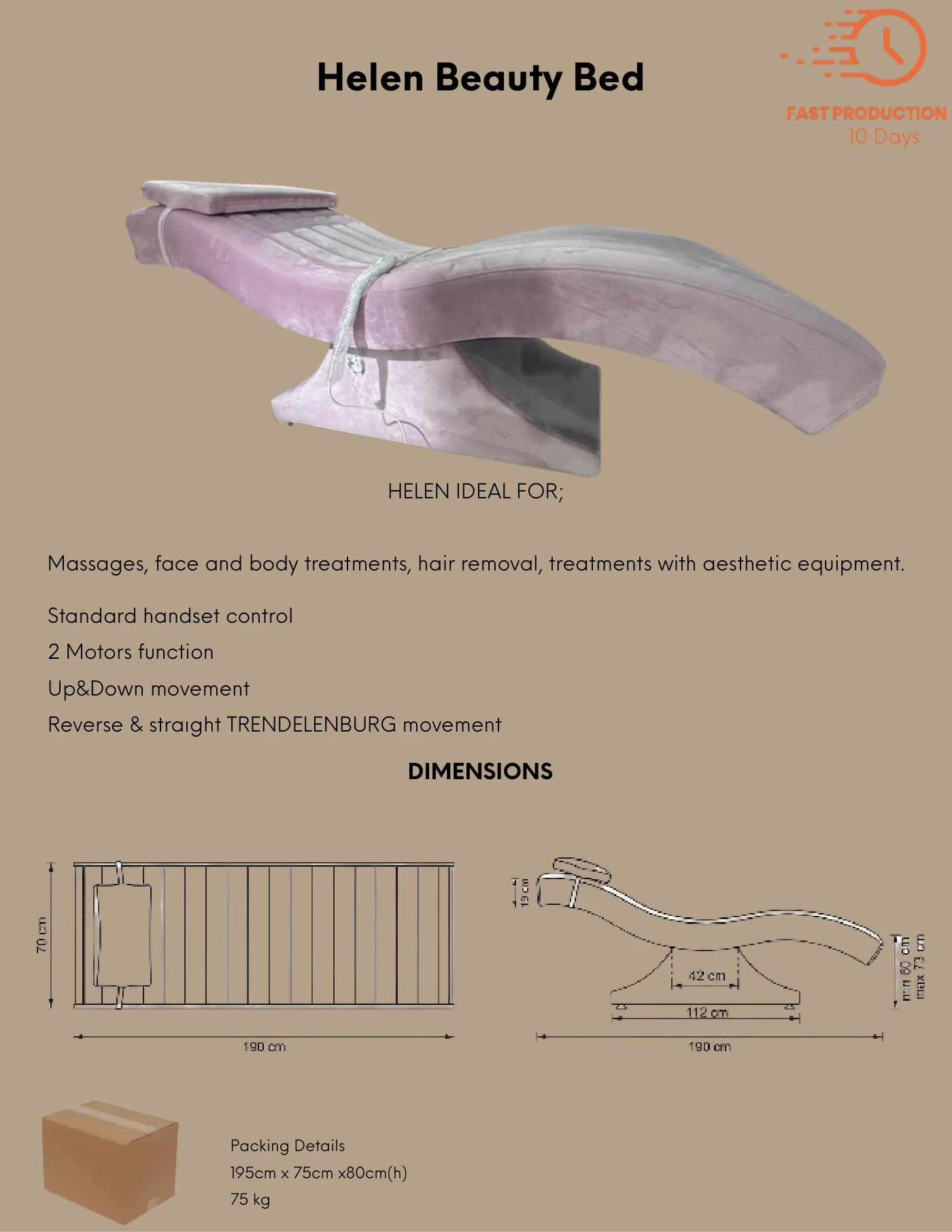
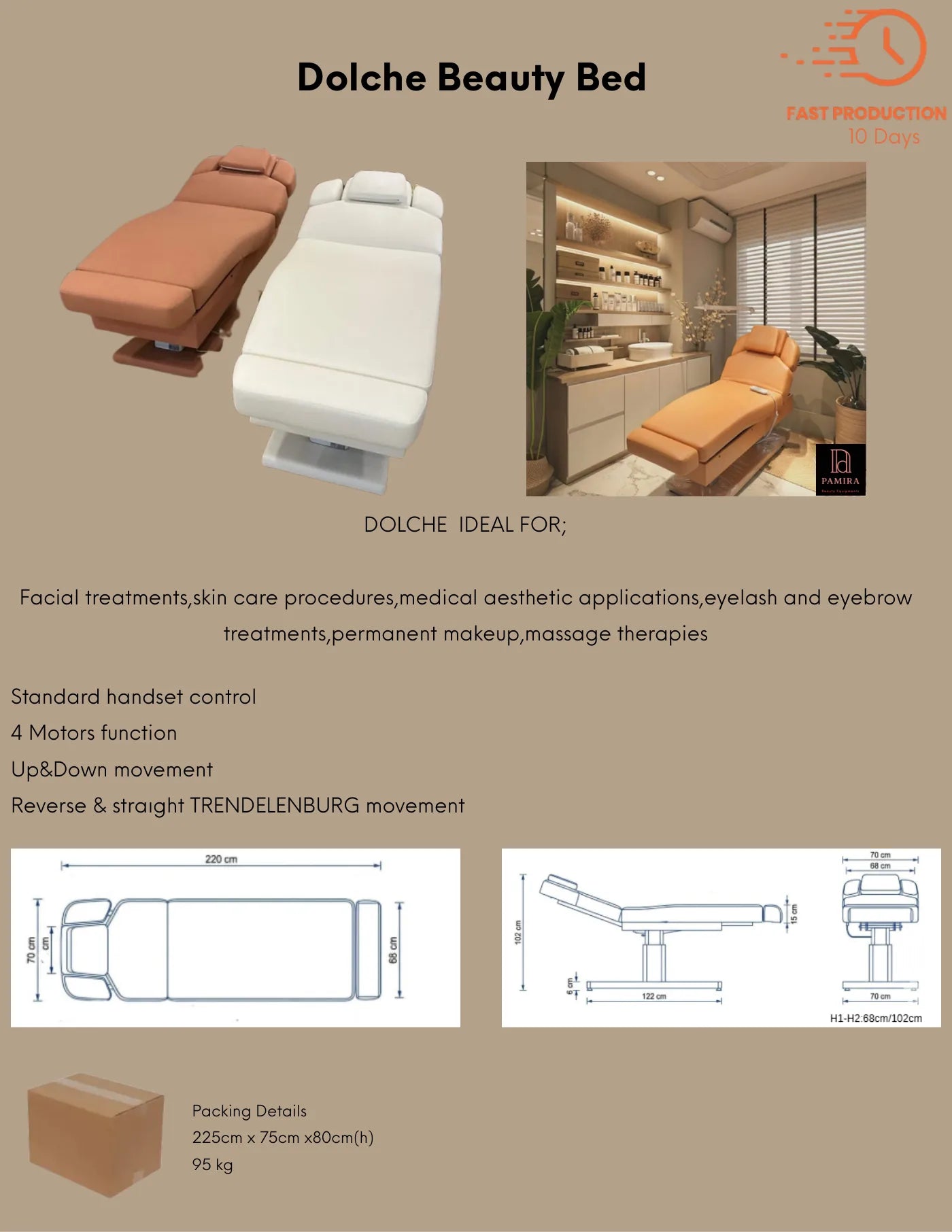
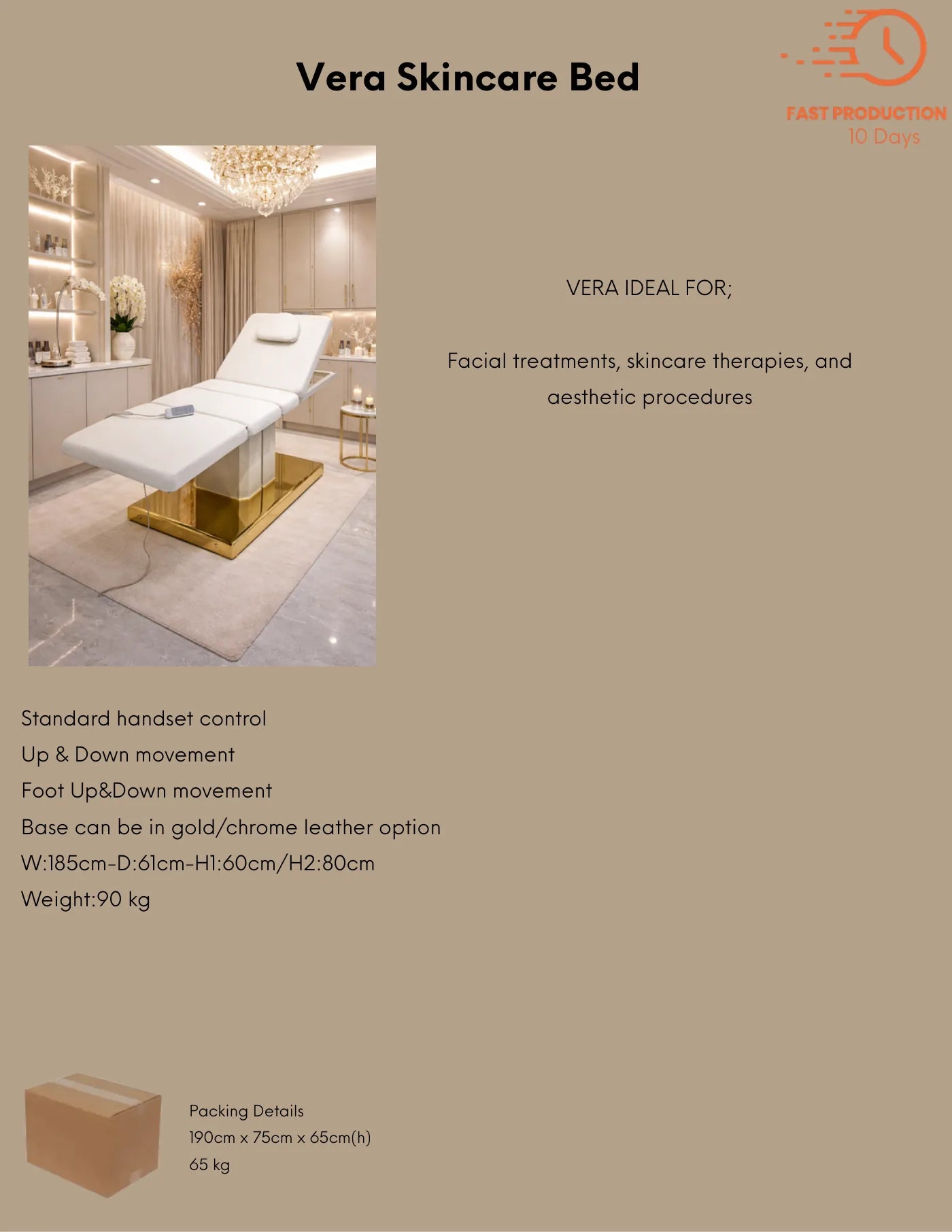
A beauty bed, also called a facial bed or treatment bed, has a sectioned surface. The back and leg sections move separately, and on motorised models the height changes too. The client can sit, recline or lie flat. On an electric beauty bed all of this runs from a hand control, so the therapist never lifts the client or works a lever.
- Surface: a massage table is one flat piece, a beauty bed is sectioned
- Movement: a massage table is fixed or set by hand, a beauty bed is manual or motorised
- Place: a folding table travels with you, a beauty bed is installed in the room
- Position: on a massage table face down and face up, on a beauty bed seated, reclined and flat
If you only do massage, here is the honest answer
We do not make portable folding massage tables, and our catalogue has no bed built only for massage; ours are multipurpose beauty beds. If massage is all you do and you visit clients at home, a folding table is the right tool. If you give full body massage in one room, a stationary massage table will serve you well. You would rarely use the back and leg movements of a motorised bed for that work.
A beauty bed makes more sense when the same room also handles facials, waxing or body treatments; when you help older or less mobile clients sit up and lie down; or when several therapists of different heights share the room. If clients will lie face down, you need a face hole. Goldy has one in the back section, Milla has an adjustable headrest with a face hole, and on the white version of Moni Basic the back section has a face opening.
Which treatment needs what?
- Massage: a flat, solid surface, a face hole and room for the therapist on all four sides.
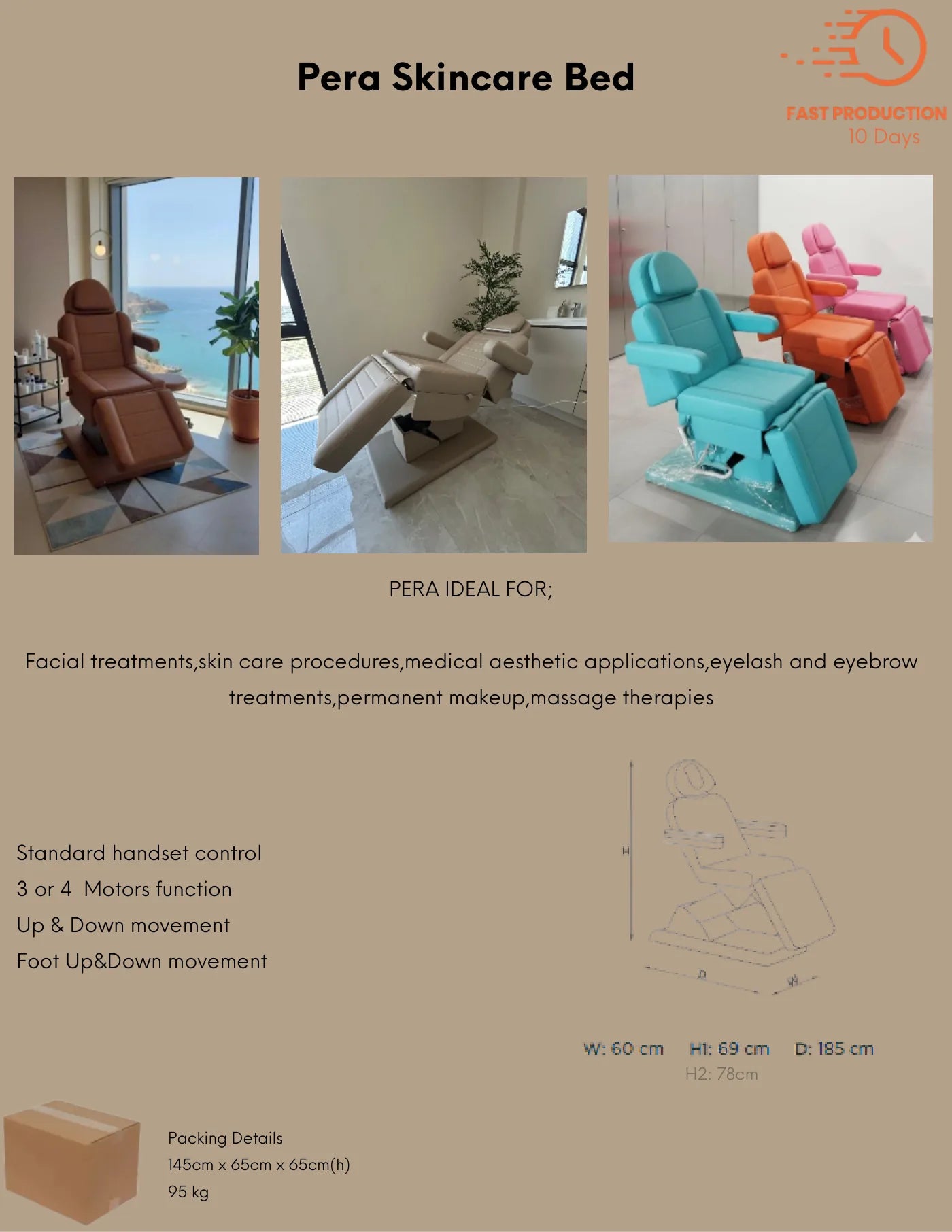
- Facials: the client sits up and lies down several times per session, so the back section is always moving. A motorised bed saves time in every session. Alfa adjusts back, height and leg section from the hand control with 3 or 4 motors.
- Lash and brow: the client lies flat for a long time and the therapist sits at the head end. Height adjustment and a head cushion that stays put matter most. On Lily height and back are adjusted by remote and the head cushion is removable.
- Waxing: the therapist stands, the client turns on their side and switches legs. Height adjustment protects the therapist's back, and the upholstery is wiped after every session.
- Aesthetic medicine and laser: the position has to be set precisely. The Trendelenburg movement on Milla is there for this work.
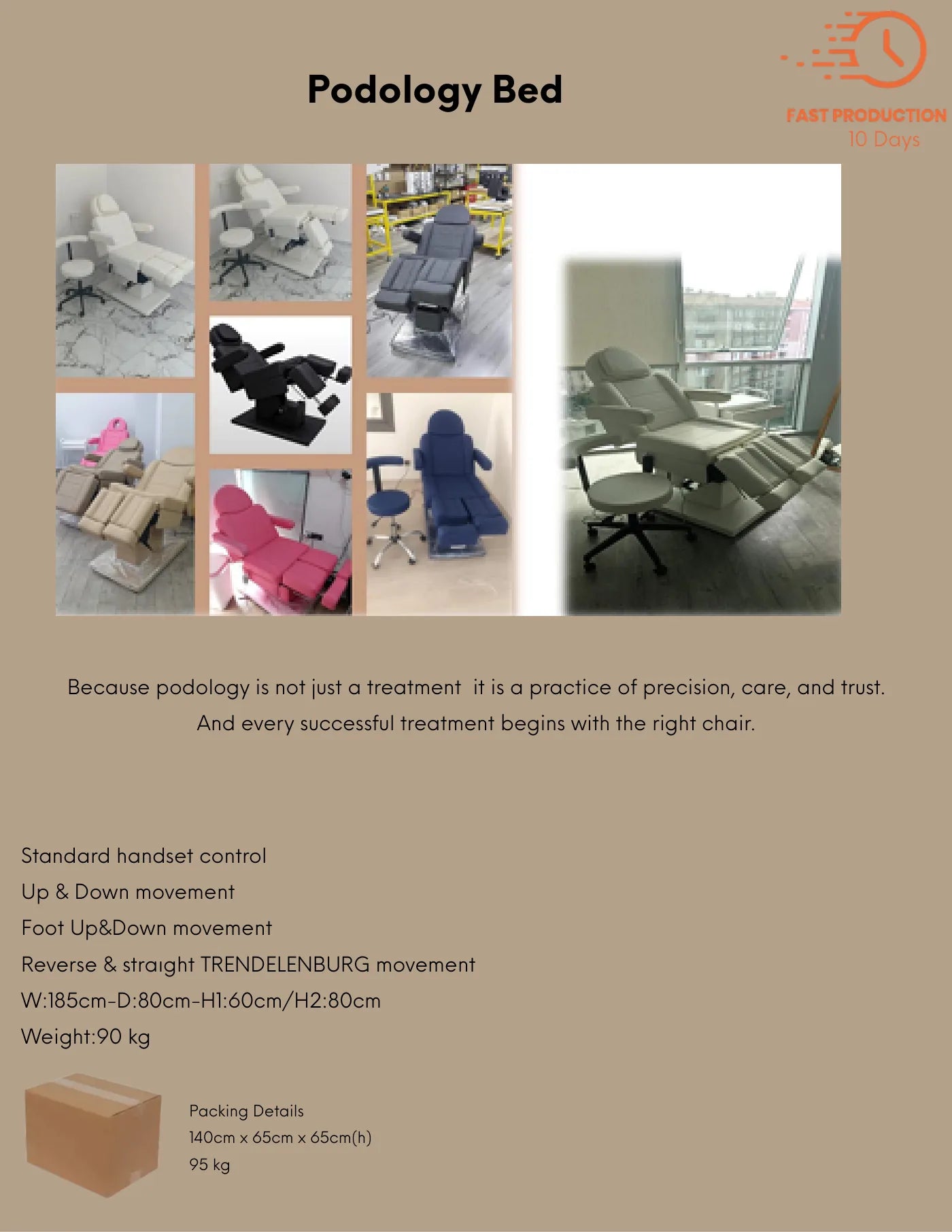
- Podiatry: the seat and leg sections need separate adjustment. Here a podiatry chair is the right choice rather than a bed; you will find Bella among our medical chairs.
Manual or electric beauty bed?
Moni Basic is a manual bed: the back and leg sections are adjusted by hand and it needs no power. It has a three part surface, a removable head cushion, side armrests and adjustable levelling feet that take up uneven floors. If you rarely change position during a session, see few clients a day or are fitting out your first room, it is a sensible start.
On a motorised bed every movement comes from the hand control. The therapist does not lift the client and brings the bed to their own working height. In a room that sees eight or ten clients a day, you feel the difference in your lower back by evening. In return you need a socket near the bed and a layout where the cable does not cross a walkway. How many motors you need is covered in detail in our guide to 2, 3 and 4 motor beds, so we will not repeat it here.
Bed or chair?
If most of your treatments are on the face and décolleté and the client starts the session seated, a chair may be the better choice. On Vip Plus the client starts seated and moves to lying as the back is lowered by remote; back, height and leg section are adjusted separately with 3 or 4 motors. In long face and scalp work such as dermatology, permanent makeup and hair transplants, the practitioner finds the right angle easily. If you also offer waxing, body treatments or massage, choose a bed; that work needs a flat surface that carries the whole body.
Room size: measure around the bed, not just the bed
The bed's own size is only half the question. What counts is how much room the therapist has around it.
- In massage the therapist moves around all four sides. Leave at least 70 to 80 cm on each side.
- For facials and lash work the therapist sits at the head end and a device or supply trolley stands to one side. One long side of the bed can sit closer to the wall, but leave enough of a gap to clean underneath.
- On a motorised bed the footprint changes as the back rises or the bed tilts. Near a wall, check that the backrest will not hit a shelf, mirror or cabinet.
- Every product page has a technical drawing. Compare the dimensions with your floor plan; if it does not fit, we build the bed to the size of your room.
Cleaning: a few minutes between clients
- Cover the bed with a disposable sheet or paper roll and use a separate cover for the face hole.
- Wipe the upholstery after every client with a disinfectant suitable for faux leather. Products containing acetone or solvents damage the surface.
- Wipe the hand control and armrests too. Do not spray liquid straight onto the motor or control box; apply it with a cloth.
- Clean under the bed once a week. Lily has castors on its rear legs, so it pulls out easily.
Short checklist before you decide
- Which treatments will the room handle, and how much of that is massage?
- Will clients lie face down? Then you need a face hole.
- How often does the position change in a session? Often points to electric; rarely means manual is enough.
- Is the work mostly on the face, with the client starting seated? Then look at a chair.
- Net room size, socket position, door width.
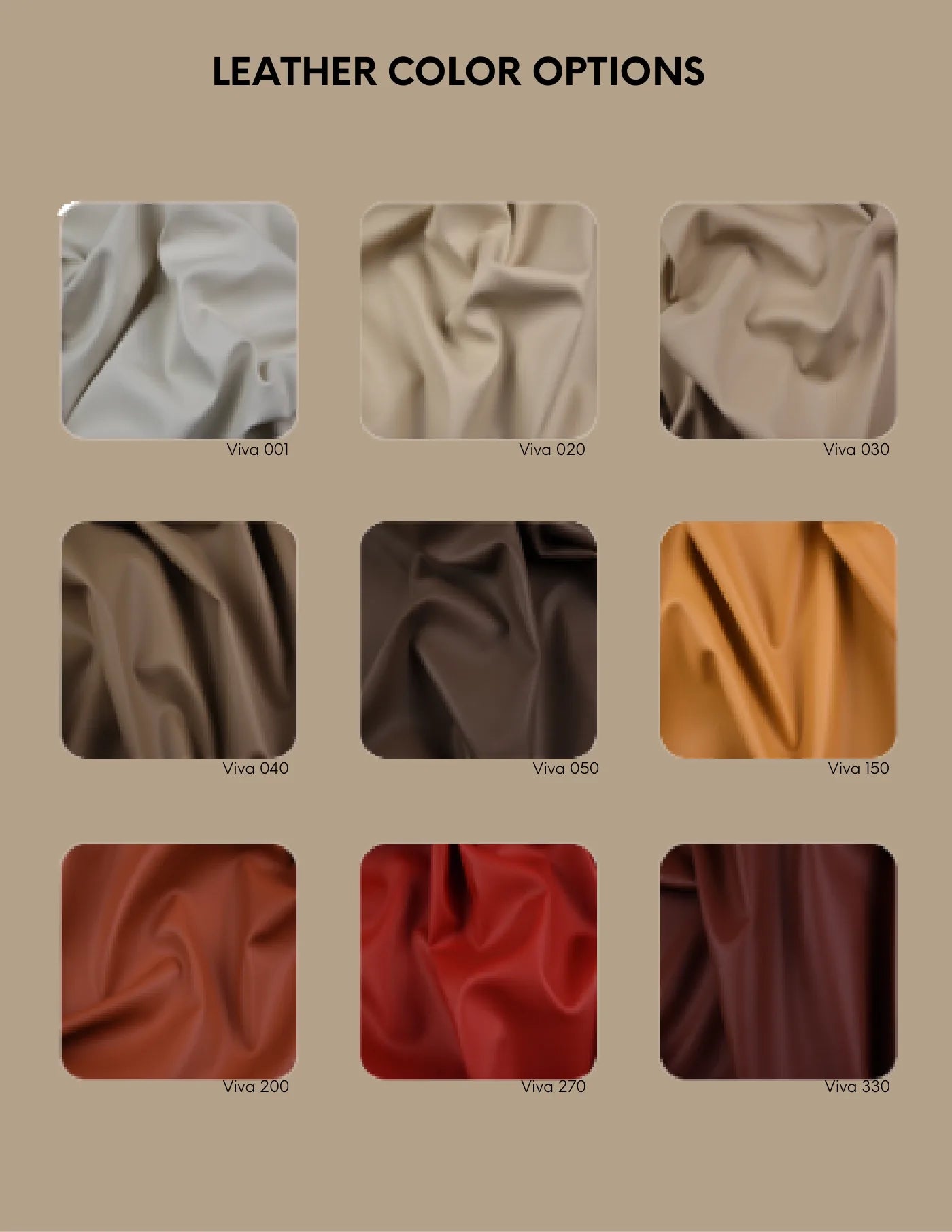
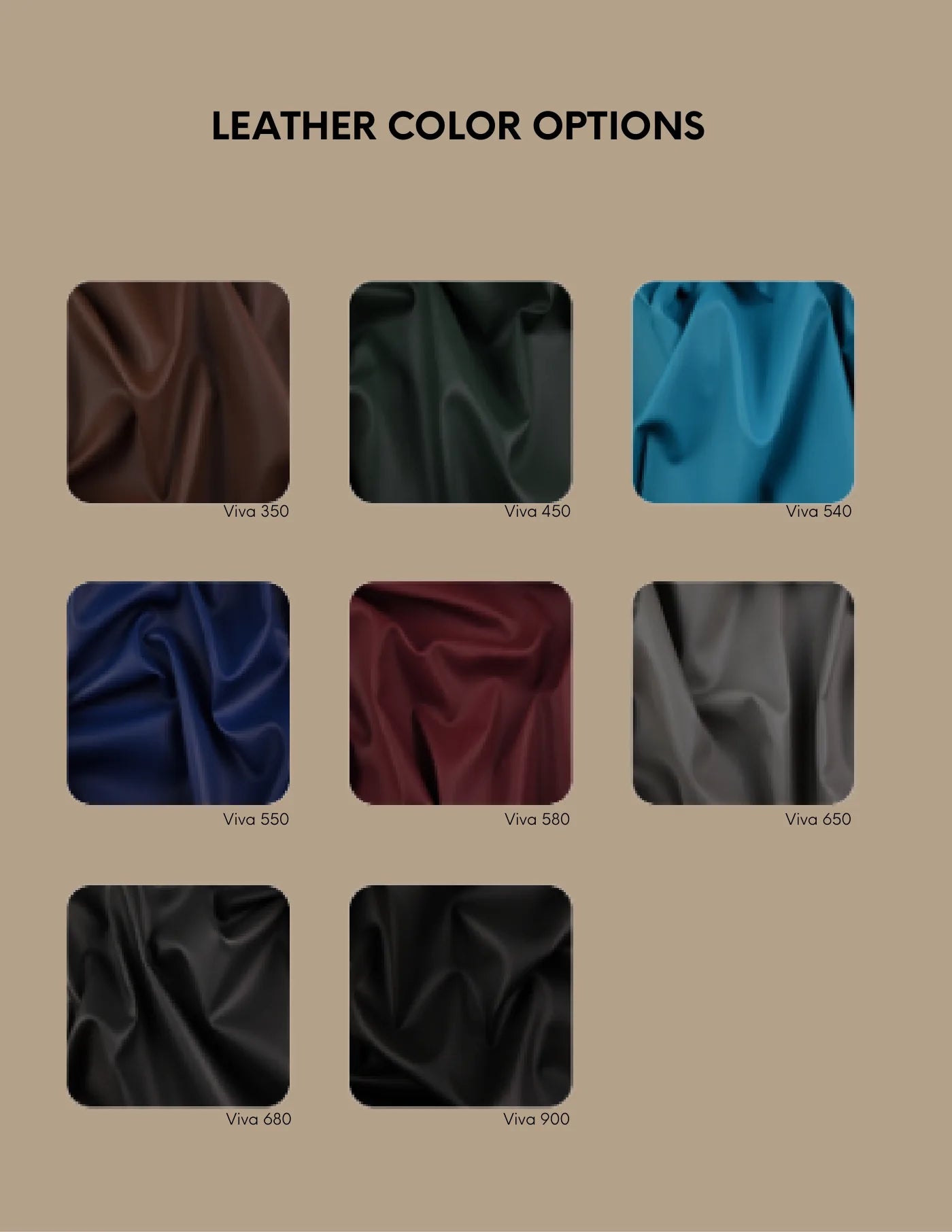
- Upholstery colour and cleaning routine.
We make all our beauty beds in our own workshop in Istanbul, to the size of your room and in the colour you choose, and ship them worldwide. Production takes 1 to 2 weeks and every bed carries a 2 year warranty. Tell us your treatments and room size on WhatsApp, and we will tell you honestly whether a beauty bed or a massage table makes more sense.